
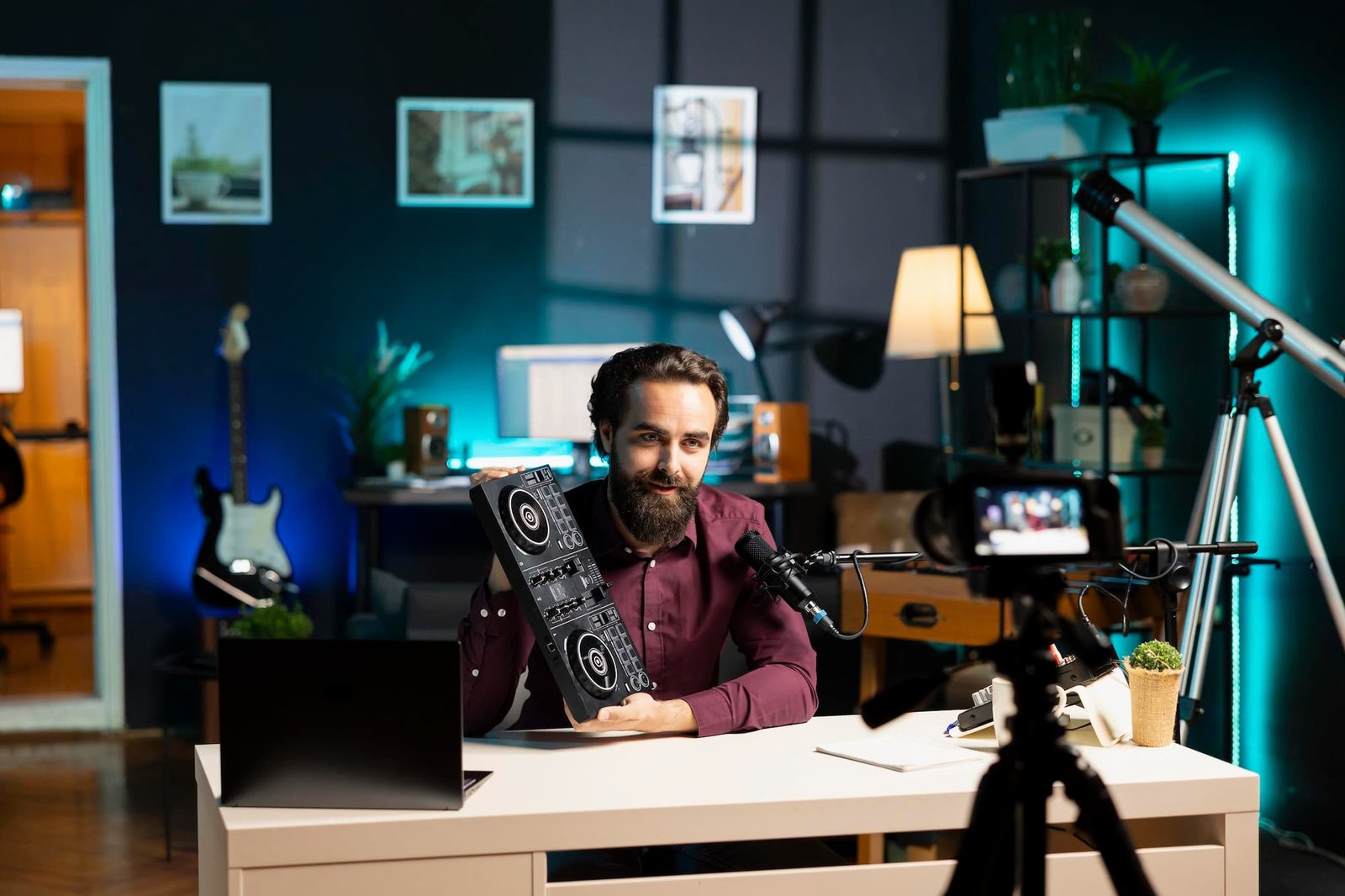
Understanding the Meaning of a Digital Creator
What Is a Digital Creator?
A digital creator is basically a person who creates content with the help of digital tools and then shares it on the internet to educate, entertain, inspire, and promote products and services.
This content could be:
- Videos
- Blog articles
- Social media posts
- Podcasts
- Online courses
- Digital images
- E-books
Simply put, a digital creator is anyone making online content that gets watched, read, or listened to.
Apart from working for a company or a factory, digital creators are those who make and grow their crowd on YouTube, Instagram, TikTok, blogs, or personal websites and sometimes even get paid for their creativity.
Why Digital Creators Matter in 2026
In 2026, digital creators will have a great influence on:
- Education Online
- Brand Market Strategy
- Entertainment
- Personal Branding
- E-Commerce Growth
The latest marketing reports, among other things, indicate that nowadays businesses get more interested in creators than in ads per se. It is nowadays considered that one is more likely to learn from a real person than from a company. So, in this way, digital creators have become the people deciding on all those three things – opinion, career, and purchase worldwide.
Types of Digital Creators You Can Become
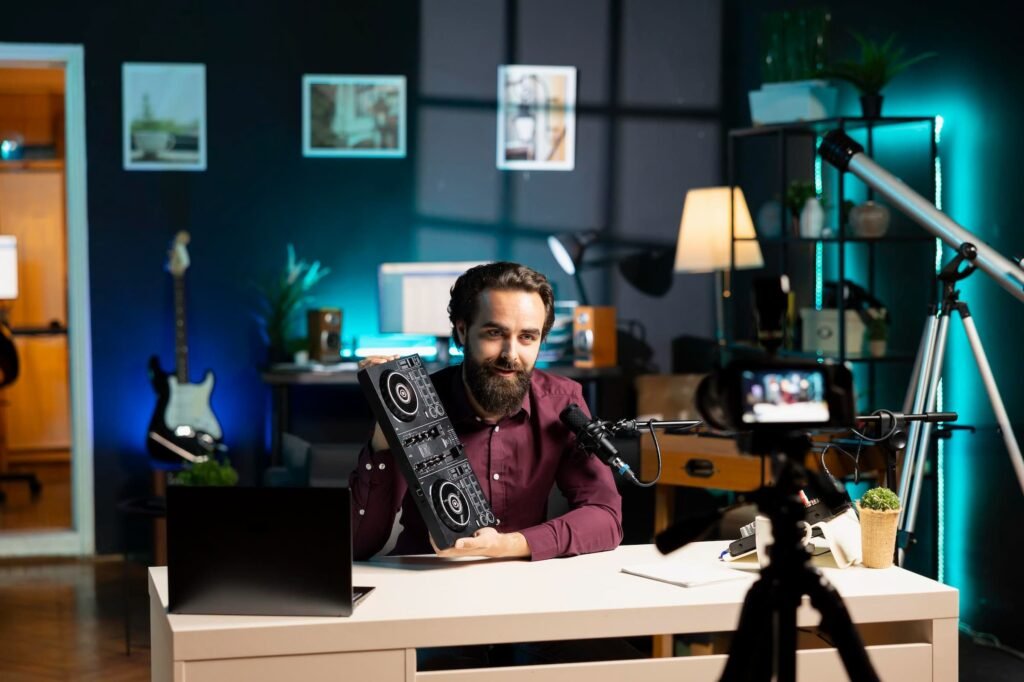
Content Creators
These content creators rely on long-form or short-form content like:
- Blog posts
- YouTube videos
- Podcasts
Real-life example:
A blogger on tech who publishes reviews on gadgets and monetizes the blog from ads and affiliate marketing.
Social Media Creators
Social media creators operate mostly through:
- TikTok
- X (Twitter)
They usually make reels, posts, stories, and short videos.
Example:
A travel vlogger posting short videos to Instagram from various countries and partnering with tourism companies.
Educational Digital Creators
These creators share their knowledge on different topics:
- Programming
- Workout
- Language
- Money management
Example:
A math tutor selling courses on a YouTube channel and personal website.
Digital Artists and Designers
They produce:
- Brand Marks
- Visuals
- NFTs
- Layout of websites
Example:
A freelance graphic designer selling logo designs to customers on Fiverr and Instagram.
Real-Life Examples of Digital Creators
Example 1: YouTube Educator
Sarah started a YouTube channel teaching basic Excel skills. She used to post one video every week made by her using a laptop camera.
After one year:
- 50,000 followers
- Revenue from ads on YouTube
- Excel course sold
Sarah has become a full-time digital creator.
Example 2: Instagram Fitness Coach
John was a gym instructor. He posted workout reels on Instagram every day starting from zero.
After a while:
- Brands sent free fitness products
- He launched a paid workout plan
- He got a global audience
John leveraged his offline skill to start his digital creator business.
Example 3: Freelance Digital Artist
Ayesha was fascinated with digital painting. She used to post her drawings on Instagram and Behance.
As a result:
- She got freelance projects
- Several digital pieces were sold
- Freelance services provided
Currently, she is a successful digital creator.
Platforms Digital Creators Use in 2026
Social Media Platforms
- TikTok
- X (Twitter)
Blogging and Website Platforms
- WordPress
- Medium
- Ghost
Video and Podcast Platforms
- YouTube
- Spotify
- Apple Podcasts
Find out more about creator platforms from HubSpot.
Skills Required to Be a Digital Creator
Creative Skills
- Writing
- Editing videos
- Creating graphics
- Storytelling
Technical Skills
- basic knowledge of SEO
- camera handling
- use of editing software
- interpretation of analytics
Marketing and Branding Skills
- Personal branding
- Audience engagement
- Content strategy
The good news is that most of the skills can be acquired by self-study free of charge on the internet.
Tools Digital Creators Use Daily
| Purpose | Tools |
| Video Editing | CapCut, Premiere Pro |
| Graphic Design | Canva, Photoshop |
| Writing | Google Docs, Grammarly |
| SEO | Ahrefs, SEMrush |
| Scheduling | Buffer, Hootsuite |
How Digital Creators Make Money
Ads and Sponsorships
Doing brand promotions in videos or posts, creators make money.
Digital Products
- E-books
- Courses
- Templates
Affiliate Marketing
By recommending products, one gets a percentage of the sale as commission.
Freelancing and Services
Presenting the skills such as coaching, designing, and consulting to clients.
Step-by-Step Guide to Becoming a Digital Creator
- Choose your niche
- Pick one platform
- Create valuable content
- Stay consistent
- Build an audience
- Monetize gradually
You don’t need expensive gear—just start.
Challenges Digital Creators Face
- Slow growth at the beginning
- Content burnout
- Algorithm changes
- Negative comments
Successful digital creators are those who think long-term and consistently.
Future of Digital Creators in 2026 and Beyond
The year 2026 will see the digital creator economy evolve to an even more dynamic one. Such a transformation will be the result of the higher preference of creators by brands in comparison with traditional advertising agencies. This is because creators have more trust from their followers. People are now most likely to accept the advice from an individual who they know is a “real” person rather than from a company.
In this process, the digital creator economy will continue to grow rapidly aided by new emerging technologies that include AI tools, automation, and very simple editing apps. Through these technologies, content production processes have been accelerated and made more accessible. This means that everyone with very basic skills, and an internet connection can acquire the potential to become a content creator.
In the immediate years ahead, digital creators will undoubtedly play a very prominent role in the fields of education, marketing, as well as online communities. Those who choose to begin early and are consistent will be the ones attaining better opportunities for growth, monetization, and most importantly, the building of a strong personal brand.
Frequently Asked Questions (FAQs)
1. What Is a Digital Creator in Simple Words?
A digital creator is one who generates digital content to share knowledge, entertain, or demonstrate skills.
2. Do digital creators earn money?
By all means, a vast majority of creators make a living via ads, sponsorships, products, and services.
3. Can beginners become digital creators?
Why not? The majority of creators did not have any previous experience.
4. Do I need expensive equipment?
Definitely not. A smartphone and an Internet connection would suffice.
5. How long does it take to succeed?
It varies but for the most part, results can be seen after 6–12 months.
6. Is digital creation a real career?
Indeed! There are millions of people who work and live as full-time digital creators.
Conclusion
Nowadays, a very bright future is out there for a digital creator career. This article has given you a thorough explanation of what a digital creator really is as well as why they are considered one of the most promising careers in 2026.
Not just anyone posting stuff but folks that share knowledge, creativity, and value with an audience is the definition of a true digital creator. And if we are talking about ease, well, it is very accessible nowadays with no need for equipment, a degree, or even a large team. In fact, a smartphone, an Internet connection, and just a willingness to learn are the only necessities.
Looking at the real-life case studies, teachers, fitness trainers, artists, and ordinary folks have been able to establish their online presence and turn their skills into a source of income. In a nutshell, digital creation entails patience, consistency, and a genuine desire to extend a helping hand to others that ultimately paves the way for financial freedom, flexibility, and long-term growth.
Just start small, keep on with your consistency, and make improvements here and there as you go along. The earlier you start the faster you will learn.
